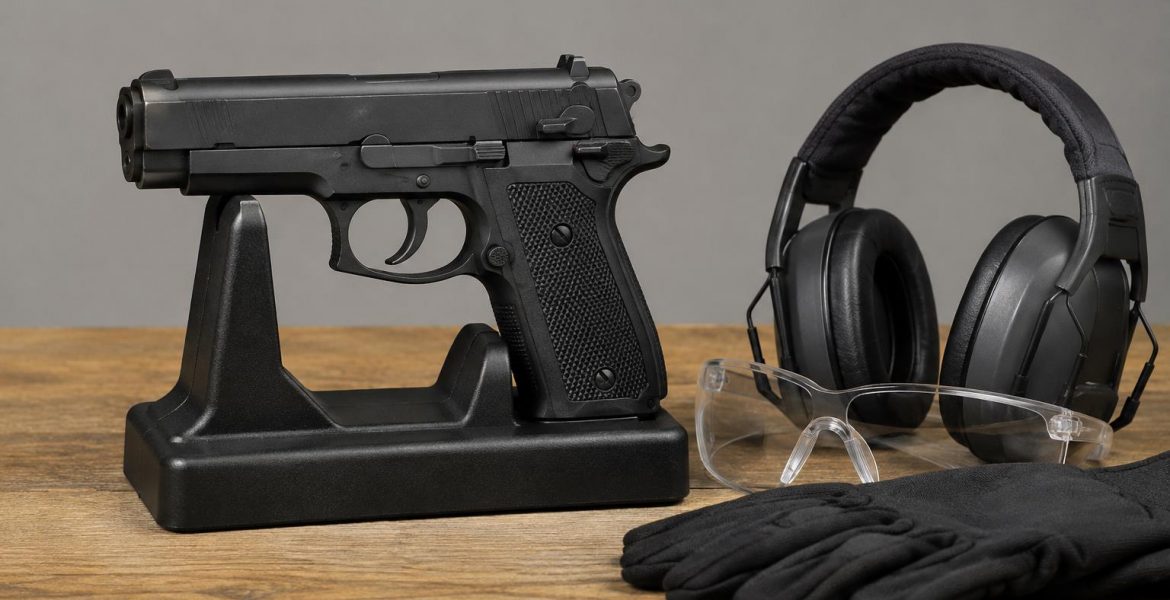
How to Evaluate Firearm Fit, Controls and Intended Use: The Details That Matter Most
On August 18, 2026 by Christopher HaskinsAt a range counter a prospective buyer might be drawn to a model that looks compact rugged or suited to a role.. Practical questions matter more. Can the grip be reached securely? Can the controls be operated without shifting the hand? Will the owner train, clean and store it responsibly? Good firearm selection means matching a manageable tool to its intended use. The checks below help turn an impression into a safer more disciplined decision.
Start with the job, not the appearance
Intended use should narrow the field before brand finish or accessories enter the discussion. A firearm for target practice may require different priorities from one selected for lawful hunting, collection or home storage. The answer affects size, weight, sighting system, ammunition considerations, storage arrangements and how often the owner expects to handle it.
Ask where it will be used who may access it how it will be. What level of training is realistic. A compact design may be easier to store. Smaller controls and sharper felt movement can make consistent handling harder. A larger heavier option may be steadier for some users. Less convenient to transport or secure.
A common mistake is buying for a role the owner does not actually have. Another is adding accessories before confirming that the basic platform is safe, comfortable and suitable. Equipment should solve a need not compensate for an uncertain choice.
Treat fit as a safety check
Firearm fit is not a matter of hand size. It includes reach, balance, sight visibility, access to controls and the ability to maintain a grip while keeping the trigger finger outside the trigger guard until ready to fire. The user should be able to assume a position without stretching, twisting or repeatedly readjusting.
At a range or licensed retailer ask whether you may handle an unloaded firearm under supervision. Confirm its condition according to the range or stores procedure keep the muzzle pointed in a direction and follow every instruction. Notice whether the grip creates pressure points, whether the stock or frame sits naturally and whether the sights can be aligned without forcing the head into a position.
Fit can change with clothing, gloves and eye protection. A control that feels accessible with hands may be harder to reach in cold-weather gear. This does not make a larger or more accessorized setup better; it means the owner should test realistic handling conditions within safe supervised boundaries.
Evaluate controls by consistency
Controls deserve a deliberate inspection. Identify the safety mechanism, magazine release, slide or bolt controls, loading and unloading indicators and any adjustment points described by the manufacturer. The issue is not whether a control looks familiar but whether the user can identify and operate it correctly without guessing.
The key test is repeatability. With the firearm unloaded and supervised where appropriate can the owner perform the handling sequence while keeping the muzzle in a safe direction and the trigger finger indexed safely? Can they tell when the firearm is unloaded and confirm that condition than relying on memory? If not more instruction and practice are needed before purchase or use.
Controls should not be judged by speed. Smooth predictable operation is more useful than a design that encourages handling. Avoid modifications that change safety- functions unless they are lawful professionally evaluated and clearly understood. Manufacturer documentation should guide any adjustment or maintenance decision.
Compare options by the ownership burden
The purchase price is only one part of the decision. Responsible ownership includes storage, eye and hearing protection, training, cleaning materials, transport arrangements, inspection and the cost of practice. A model that seems economical can become a choice if replacement parts, instruction or safe storage are difficult to arrange.
Maintenance must be realistic. Before buying read the manufacturers instructions for cleaning, lubrication, inspection and service intervals, including guidance on safe disassembly and reassembly. If the owner cannot confidently explain how the firearm will be unloaded, stored and maintained that gap should be resolved before firing.
Do not assume every malfunction has the cause or that a forceful fix is appropriate. Stop, keep the firearm pointed safely keep people clear and follow range staff or manufacturer guidance. Do not continue firing when the condition's unknown and never substitute internet speculation for competent instruction.
Use a decision checklist
Before committing to a purchase write down the answers to these questions:
– What is the lawful intended use and where will it be handled?
– Can the user reach and operate the controls without changing a safe grip?
– Can the user confirm unloaded condition. Follow the four universal safety rules consistently?
– What secure storage method will prevent access?
– What training, equipment and range procedures are required?
– Can the owner follow the manufacturers maintenance instructions?
– Have current laws, regulations and transport requirements been checked through official sources?
That last point matters because firearm rules can change and requirements vary by jurisdiction. Confirm information with the relevant government authority, licensing office or law-enforcement source rather than relying on an old post, forum comment or sellers assumption. Lawful firearm ownership includes keeping that information current.
Make the choice deliberately
A responsible selection is one the owner can handle safely store securely maintain correctly and use for a clearly defined lawful purpose. Appearance, reputation and accessory compatibility may influence the shortlist. They should not outrank fit, control discipline or training needs.
Take notes after handling and compare observations rather than impressions. If the firearm feels difficult to control the controls remain confusing. The storage plan is not ready pause the purchase. There is no advantage, in owning equipment that invites rushed handling or sits unused because it never suited the person or the purpose.